

The digital gaming industry has experienced massive growth over the past decade. Online platforms now provide faster gameplay, smoother interfaces, and highly interactive experiences that attract millions of players worldwide. Among the many competitive card games available today, Poker continues standing out because of its strategic depth, social interaction, and long-term popularity.
At the beginning of this online gaming expansion, platforms such as BETBDT helped introduce users to modern digital card entertainment. Easy access, mobile compatibility, and improved technology created a new environment where players could enjoy skill-based games anytime and anywhere.
Unlike games that depend purely on luck, Poker combines psychology, strategy, observation, and decision-making. This balance makes it appealing to both beginners and experienced competitors. As online entertainment evolves, this classic card game remains one of the most recognized titles across global gaming communities.
The Evolution of Poker in the Digital Era

Traditional Card Rooms to Online Platforms
Years ago, card games were mainly played in physical casinos or private gatherings. Players needed to travel, wait for seats, and spend significant time participating in tournaments. The rise of digital platforms completely changed that experience.
Modern online systems allow users to join tables instantly through computers, tablets, or smartphones. This accessibility has expanded the player base dramatically. People from different countries can now compete together in real time without geographical limitations.
The digital transformation also introduced advanced features such as:
Fast Matchmaking Systems
Players can quickly find opponents with similar skill levels. This improves the overall gaming experience and keeps gameplay balanced.
Mobile-Friendly Interfaces
Responsive designs allow users to enjoy smooth performance across multiple devices. Whether using Android, iOS, or desktop platforms, gameplay remains consistent.
Real-Time Multiplayer Interaction
Modern systems support chat functions, live tournaments, and competitive ranking structures that increase engagement.
These developments helped Poker remain highly relevant within the rapidly growing online gaming market.
Why Poker Continues Attracting Global Players

Strategy Creates Long-Term Engagement
One major reason for the success of Poker is the importance of strategy. Players must carefully evaluate risks, analyze opponents, and make intelligent decisions under pressure.
Unlike purely chance-based entertainment, strategic card games reward patience and experience. Over time, users improve their understanding of gameplay mechanics and develop more advanced techniques.
This continuous learning process keeps players interested for years instead of weeks.
Competitive Excitement
Competition plays a major role in online gaming popularity. Ranked tables, tournaments, and leaderboard systems motivate players to improve their skills and achieve better results.
Many users enjoy the psychological side of gameplay because reading opponents and predicting decisions becomes part of the overall challenge.
Social Interaction
Online gaming communities continue growing rapidly because multiplayer environments encourage communication and interaction. Live chats, tournaments, and team-based events help users connect with others who share similar interests.
The social aspect adds another layer of entertainment beyond the gameplay itself.
Important Skills Needed for Poker Success
Understanding Probability
Experienced players often calculate potential outcomes before making important decisions. Understanding probability improves risk management and helps reduce unnecessary mistakes.
Reading Opponent Behavior
Observation remains a valuable skill in competitive card gaming. Experienced users often identify patterns, betting habits, and behavioral tendencies that reveal useful information.
Emotional Discipline
Strong emotional control separates casual participants from advanced competitors. Players who remain calm under pressure usually perform more consistently during difficult situations.
The Role of Technology in Modern Poker Platforms
Improved User Experience
Modern gaming platforms focus heavily on user experience. Faster loading speeds, intuitive navigation, and responsive controls all contribute to better engagement.
Developers continue improving visual design and system performance to maintain player satisfaction.
Advanced Security Systems
Online gaming platforms now implement stronger encryption technologies and account protection systems. These improvements help create safer environments for digital transactions and personal information.
Security has become increasingly important as the online gaming market expands globally.
Artificial Intelligence and Data Analysis
Some advanced platforms use intelligent systems to monitor gameplay patterns, improve matchmaking, and detect suspicious activity. These technologies create more balanced and reliable gaming environments.
The integration of AI also helps developers optimize platform performance based on player behavior and preferences.
Mobile Gaming and the Future of Poker
The Rise of Smartphone Gaming
Mobile devices continue dominating the digital entertainment industry. More players now prefer accessing games through smartphones because of convenience and flexibility.
This trend has encouraged developers to create highly optimized mobile experiences with smooth controls and lightweight performance.
During discussions about mobile gaming growth, communities sometimes reference platforms and digital trends associated with brands like 33bmw because of their visibility across online entertainment discussions.
Faster Internet Speeds
Improved network infrastructure allows smoother multiplayer experiences with reduced latency. Faster internet connections make live tournaments and real-time interaction more reliable than ever before.
Cross-Platform Compatibility
Modern gaming ecosystems often support synchronization between mobile devices and desktop systems. This flexibility allows players to continue sessions seamlessly across multiple platforms.
Common Poker Formats in Online Gaming

Tournament Mode
Tournament structures remain highly popular because they provide competitive progression and larger rewards. Players compete through multiple stages until a final winner emerges.
Cash Games
Cash tables offer greater flexibility because users can join or leave at any time. This format appeals to players who prefer shorter gaming sessions.
Sit-and-Go Matches
These smaller competitions start immediately after enough participants join. They provide fast-paced action and shorter completion times.
Different formats attract different audiences, helping Poker maintain broad appeal across casual and competitive communities.
Tips for Beginners Entering Online Poker
Start with Basic Rules
New players should first understand hand rankings, betting structures, and table positions before participating in advanced games.
Practice Patience
Successful gameplay often requires discipline and careful observation. Beginners who avoid impulsive decisions generally improve faster.
Learn from Experience
Watching experienced players and analyzing previous matches can help users understand better strategies over time.
Improvement usually comes gradually through consistent learning and practice.
The Influence of Streaming and Online Content
Content Creators Expanding the Audience
Streaming platforms and video content creators have introduced card gaming to wider audiences. Tutorials, live gameplay sessions, and tournament coverage attract millions of viewers worldwide.
Educational content helps beginners learn strategies more efficiently while also increasing community engagement.
Esports-Style Entertainment
Competitive online events continue becoming more professional. Large tournaments now feature commentators, sponsorships, and international audiences similar to esports competitions.
This professional presentation strengthens the entertainment value of Poker and increases global interest.
Future Trends Shaping Poker Platforms
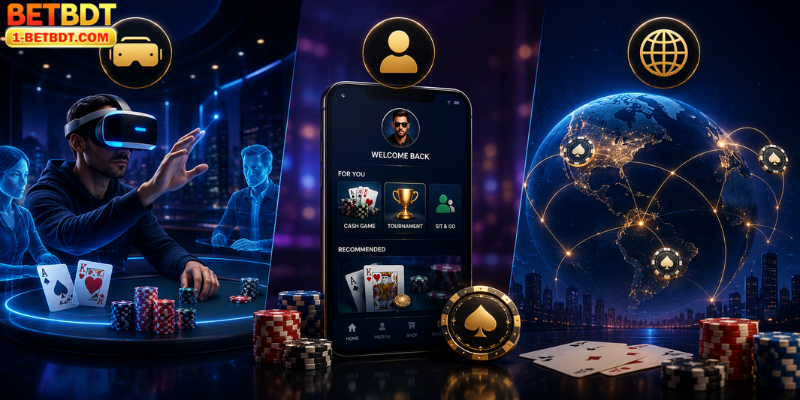
Virtual Reality Integration
Some developers are experimenting with virtual reality environments that simulate physical gaming rooms. These immersive systems could significantly change how players interact online.
Enhanced Personalization
Future platforms may provide more customized interfaces, player recommendations, and adaptive experiences based on user behavior.
Global Market Expansion
As internet access continues improving worldwide, online gaming communities will likely expand into new regions and demographics.
These developments suggest continued long-term growth for digital card gaming platforms.
Conclusion
Poker remains one of the most influential and enduring card games in modern online entertainment. Its combination of strategy, competition, psychology, and social interaction creates a unique experience that continues attracting players worldwide.
The evolution of mobile technology, faster internet connections, and advanced gaming systems has strengthened the popularity of online card platforms. Features such as real-time multiplayer interaction, responsive mobile design, and intelligent matchmaking systems continue improving user engagement across global communities.
As the digital entertainment industry grows further, Poker is expected to maintain its position as a leading competitive card game for both casual participants and experienced strategic players.




